

Tourism is changing fast. Around the world, tour operators are rethinking how they move guests through nature, cities, deserts, and mountain trails. One major shift leading this transformation is the move from traditional fuel-powered vehicles to electric off-road mobility solutions.
From silent operation to lower running costs and eco-friendly branding, electric vehicles are quickly becoming the preferred choice for modern tour operators.
Let’s explore why this shift is happening — and why it matters for the future of adventure tourism.
1. Silent Operation Creates a Better Guest Experience
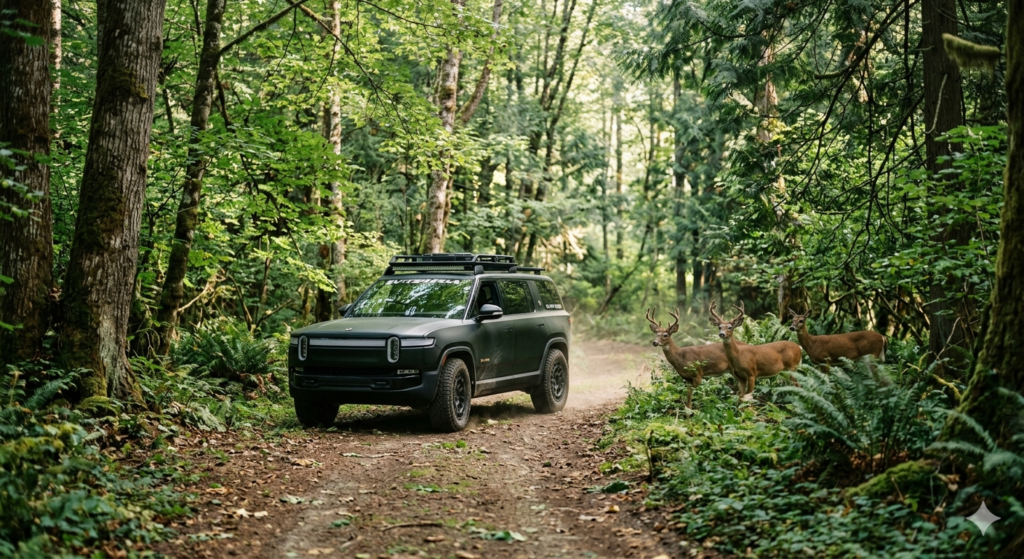
One of the biggest advantages of electric off-road vehicles is silence.
Traditional ATVs and petrol-powered buggies generate engine noise that disrupts the natural environment. In contrast, electric vehicles provide a near-silent ride.
This creates a completely different experience:
- Guests hear nature instead of engines
- Wildlife is less disturbed
- Tours feel more immersive and premium
For eco-tourism operators, this alone is a game-changer.
2. Lower Operating Costs for Tour Businesses
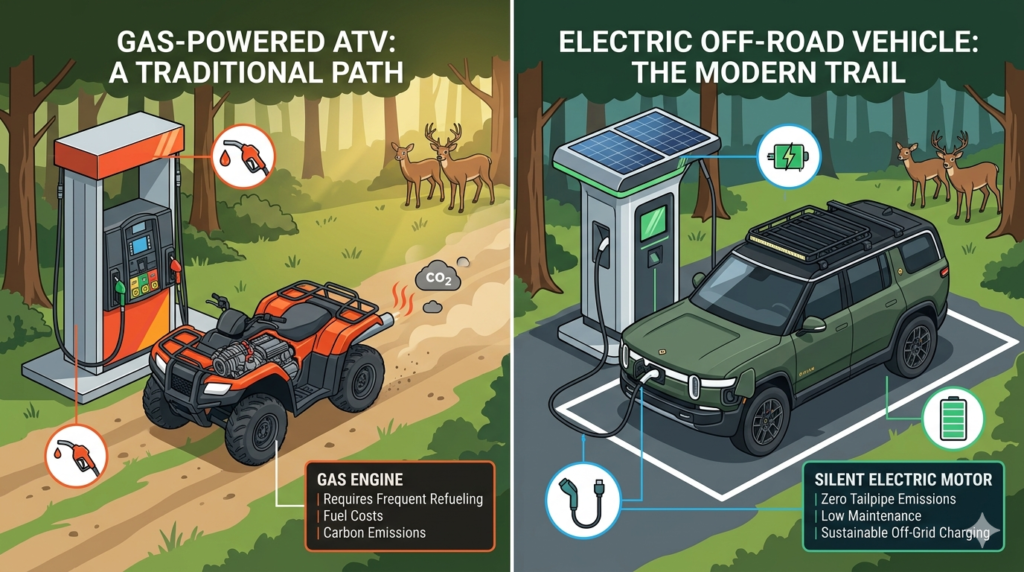
Tour operators run fleets — and fuel, maintenance, and servicing costs add up quickly.
Electric vehicles significantly reduce operational expenses:
- No fuel costs
- Fewer moving engine parts
- Lower maintenance frequency
- Reduced downtime
Over time, this results in much higher profit margins per tour vehicle.
3. Eco-Friendly Branding That Attracts Modern Tourists
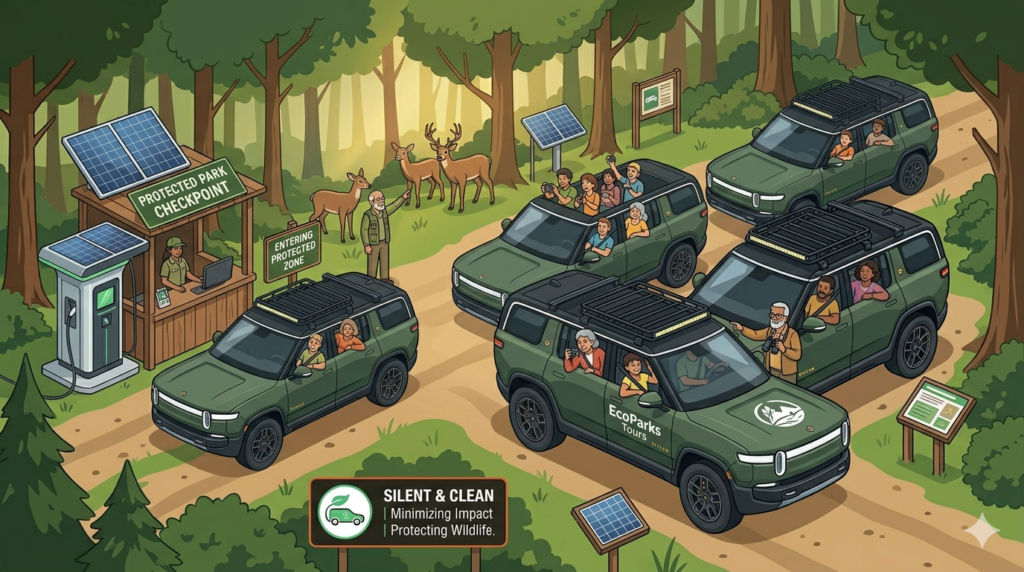
Today’s travelers care about sustainability. Tour companies that adopt electric mobility can position themselves as eco-conscious brands.
This helps:
- Attract environmentally aware tourists
- Improve brand reputation
- Gain marketing advantage over competitors
- Qualify for eco-tourism certifications in some regions
Using electric vehicles is not just operational — it’s a marketing strategy.
4. Access to More Locations with Less Environmental Impact
Electric off-road vehicles can travel across:
- Beaches
- Mountain trails
- Desert paths
- Forest tracks
- Private estates
Because they produce zero emissions at the point of use, they are often more acceptable in protected or regulated natural areas.
This allows tour operators to expand routes without increasing environmental damage.
5. Easier Maintenance and Higher Uptime
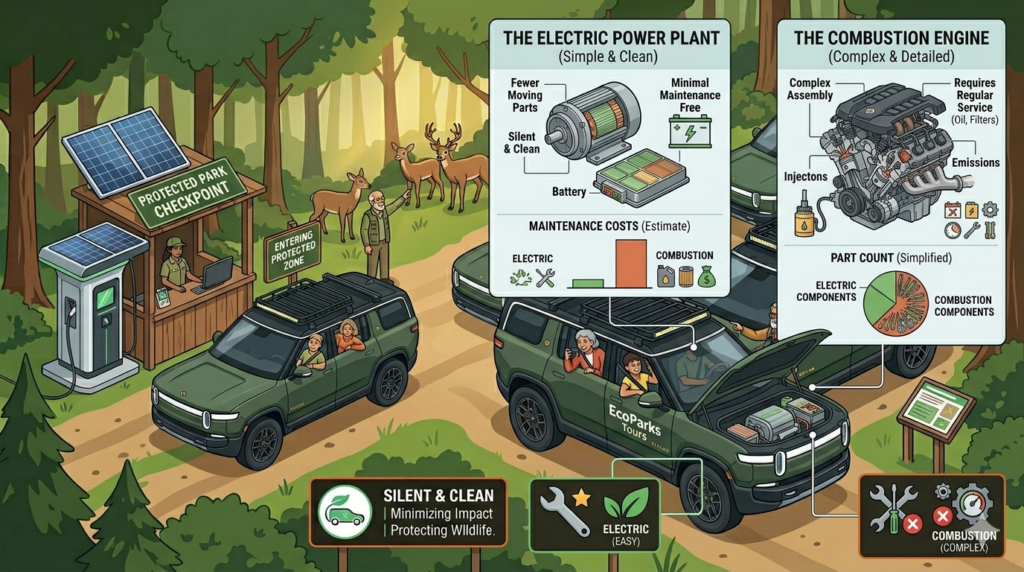
Unlike combustion engine vehicles, electric off-road machines have fewer mechanical components that can fail.
Benefits include:
- No oil changes
- No complex engine servicing
- Simplified repair process
- Longer vehicle lifespan
For tour companies, this means more active vehicles and fewer service interruptions.
6. Enhanced Safety and Control for Guided Tours
Electric off-road vehicles offer:
- Smooth torque delivery
- Better low-speed control
- Stable handling on uneven terrain
- Advanced braking systems (like hydraulic disc brakes)
This improves safety for both guides and tourists, especially in challenging terrain.
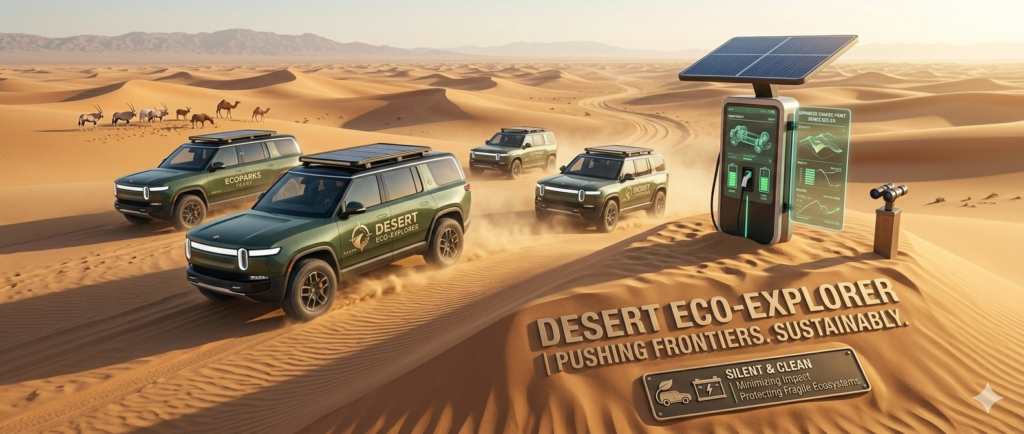
7. The Future of Adventure Tourism Is Electric
Adventure tourism is moving toward cleaner, quieter, and smarter mobility.
Electric off-road platforms like the EZRaider are leading this shift by combining:
- Performance
- Portability
- Versatility
- Sustainability
Tour operators adopting this technology early are positioning themselves ahead of the competition.
Conclusion
The switch to electric off-road vehicles is not a trend — it is a long-term transformation in tourism.
Tour operators are realizing that electric mobility offers a rare combination of:
- Better guest experience
- Lower costs
- Stronger branding
- Greater operational flexibility
As technology continues to evolve, electric vehicles will likely become the standard for modern adventure and eco-tourism fleets.
